in vitro pharmacology models in Cardiovascular diseases

For more than 25 years, SYNCROSOME accelerate the development of your cardiovascular disease therapies with our preclinical in vitro models using human blood. We support you in evaluating the efficacy and dose effects of your drug candidates in comparison with reference molecules.

Fibrinolysis and hemostasis screening
Clot lysis assay
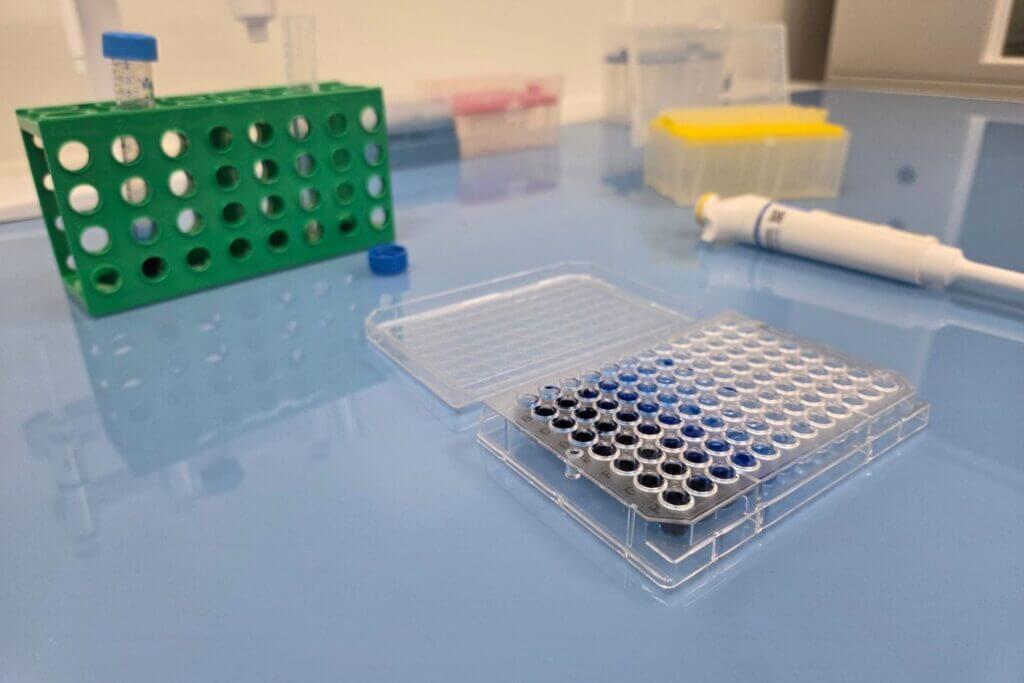
The clot lysis assay evaluates the efficacy of your fibrinolytic candidates on human plasma pools. Performed by turbidimetry in 96-well plates, it provides rapid assessment of compounds activity through parameters such as the 50% clot lysis time (LT50). The high reproducibility of the assay ensures reliable and straightforward comparison of dose-response curves throughout lead-optimisation phases.
This assay also allows investigation of compound interactions when combined with reference fibrinolytics (Alteplase, Tenecteplase).
ROTEM assay
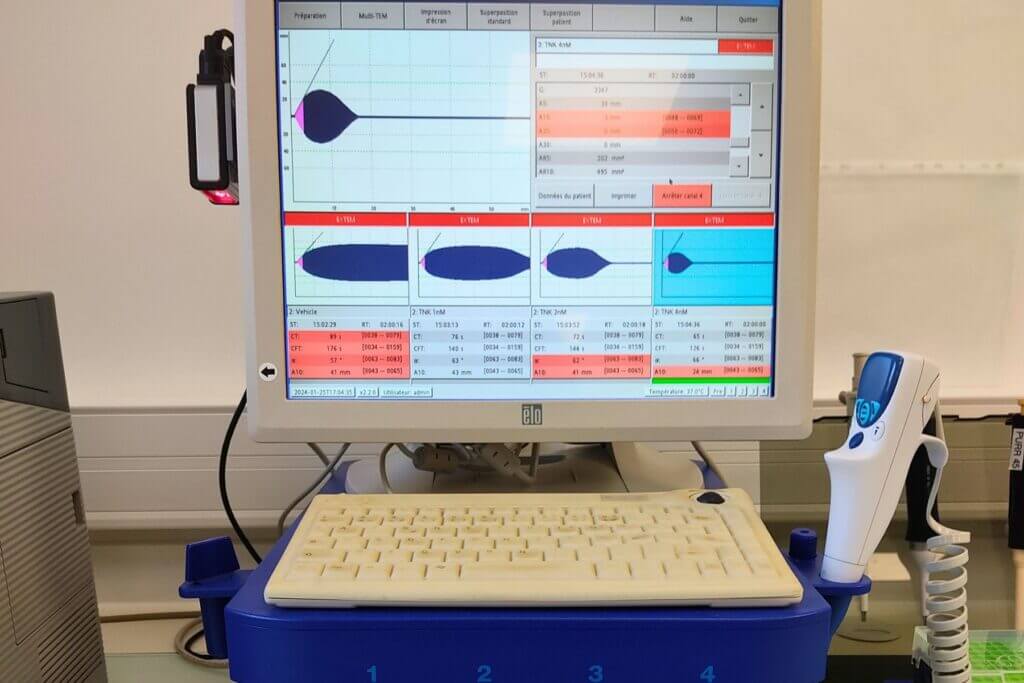
The ROTEM assay, performed on fresh human whole blood, measures the viscoelastic properties of the clot throughout its formation and subsequent lysis. A wide range of parameters can be extracted from the thromboelastogram, including the clotting time, the maximum clot firmness, and the 50% clot lysis time (LT50). This low-throughput assay offers an extensive and customisable set of hemostatic conditions for evaluating anticoagulant or thrombolytic compounds, including extrinsic or intrinsic activation pathways, as well as the addition of coagulation factors or modulators.
This assay also allows investigation of compound interactions when combined with reference fibrinolytics (Alteplase, Tenecteplase).
Pharmacological interaction and hemostasis
Clot lysis assay
Documenting potential interactions between reference fibrinolytics and drug candidates is required by regulatory agencies when these treatments are intended for combined administration during the acute phase of stroke.
Using turbidimetry in 96-well plates, the clot lysis assay quantifies fibrinolytic activity in human plasma pools, relying on parameters such as the 50% clot lysis time (LT50). The high reproducibility of the assay ensures reliable and straightforward comparison of dose-response curves for Alteplase or Tenecteplase, either alone or in combination with multiple concentrations of your compound.
ROTEM assay
This assay also allows investigation of compound interactions when combined with reference fibrinolytics (Alteplase, Tenecteplase).
The ROTEM assay, performed on fresh human whole blood, measures the viscoelastic properties of the clot throughout its formation and subsequent lysis.
A wide range of parameters can be extracted from the thromboelastogram, including the clotting time, the maximum clot firmness, and the 50% clot lysis time (LT50). This low-throughput assay offers an extensive and customisable set of hemostatic conditions for evaluating anticoagulant or thrombolytic compounds, including extrinsic or intrinsic activation pathways, as well as the addition of coagulation factors or modulators.
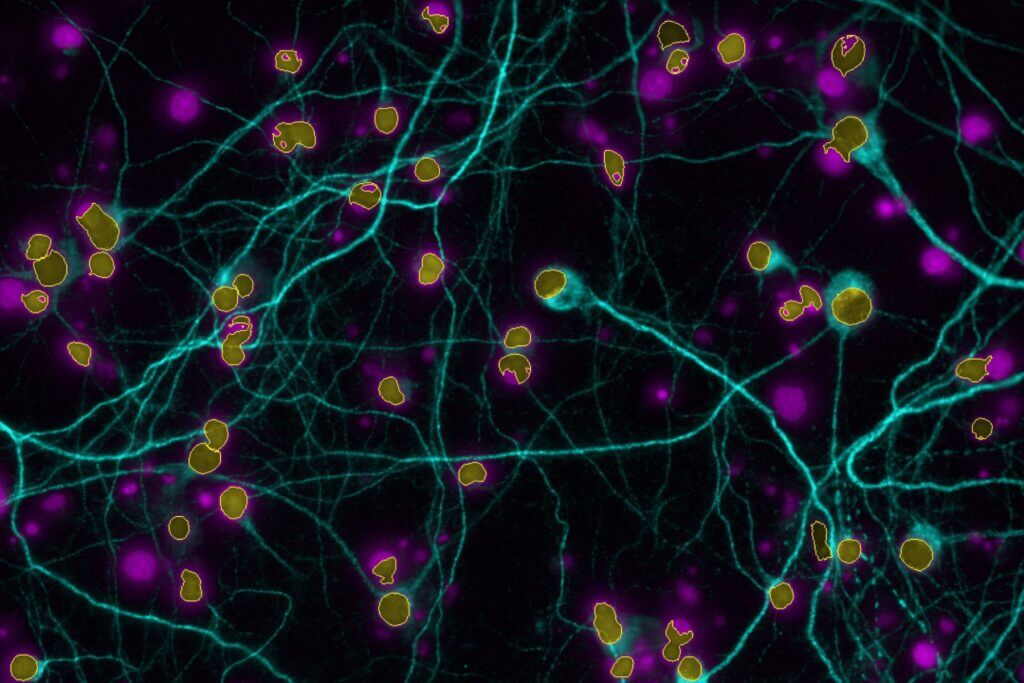
High-Content Imaging
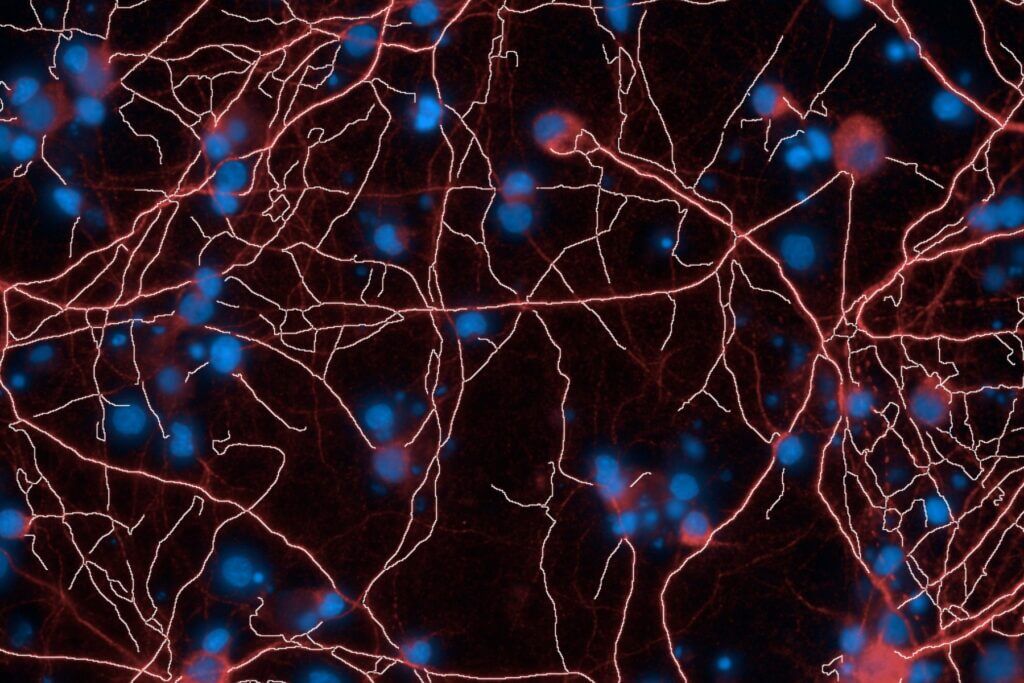
Brain‑on‑Chip platform
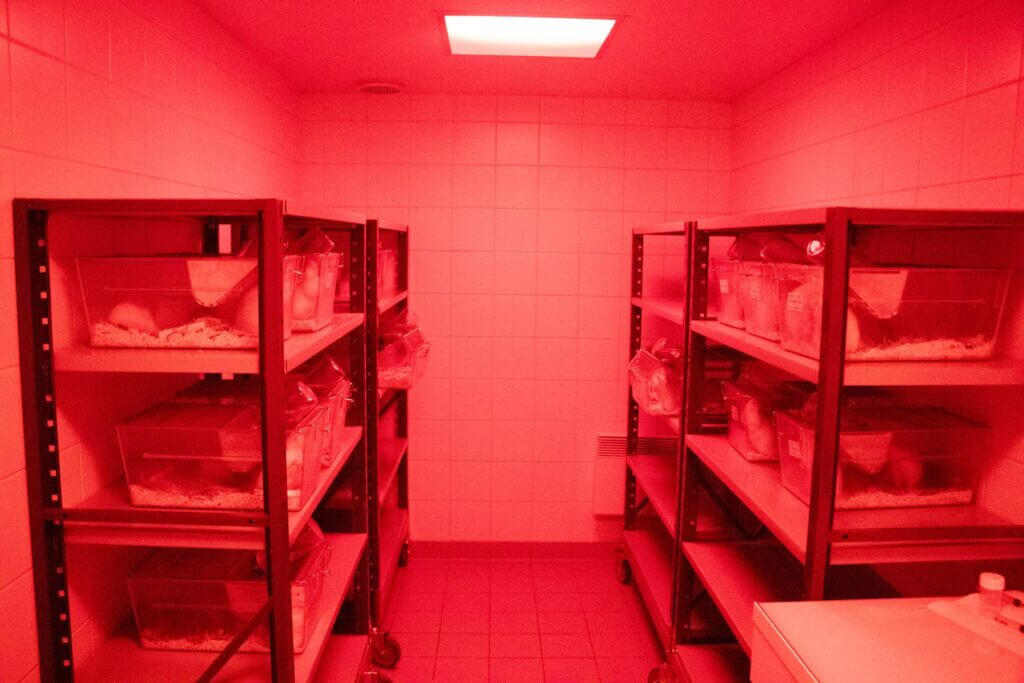
Small and Large Animal Facilities
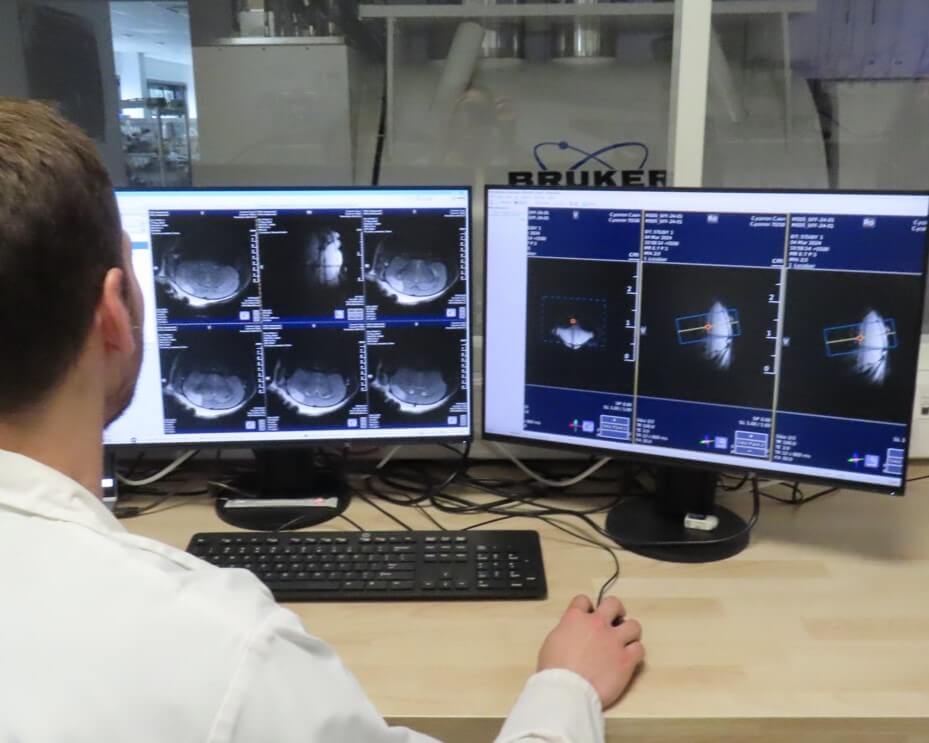
Preclinical Medical Imaging
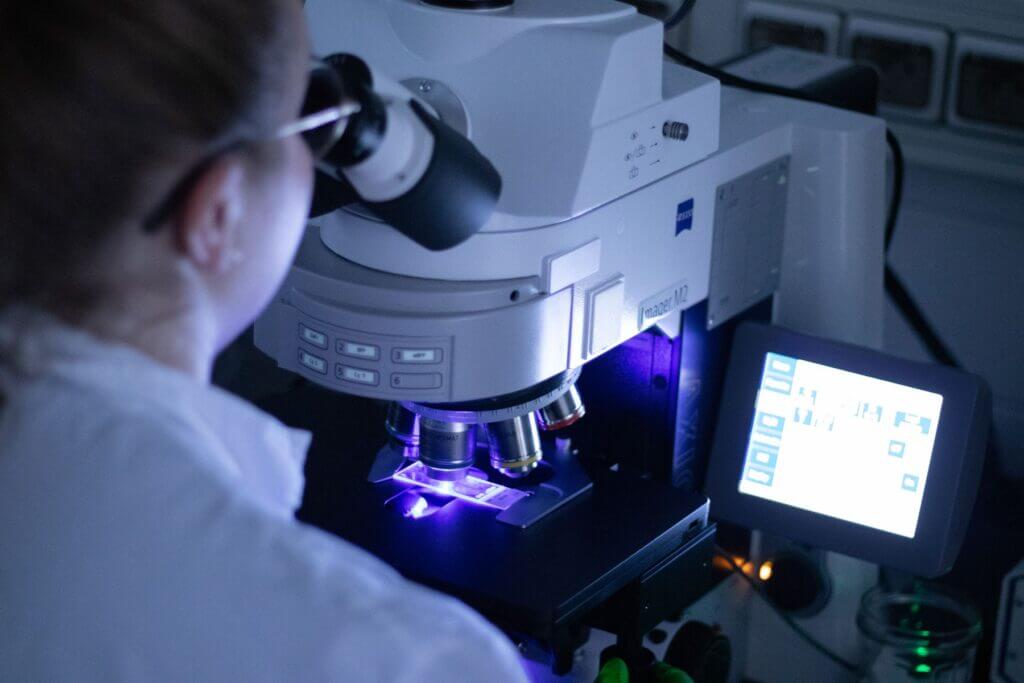
Immunohistochemistry, Immunofluorescence, and Histology
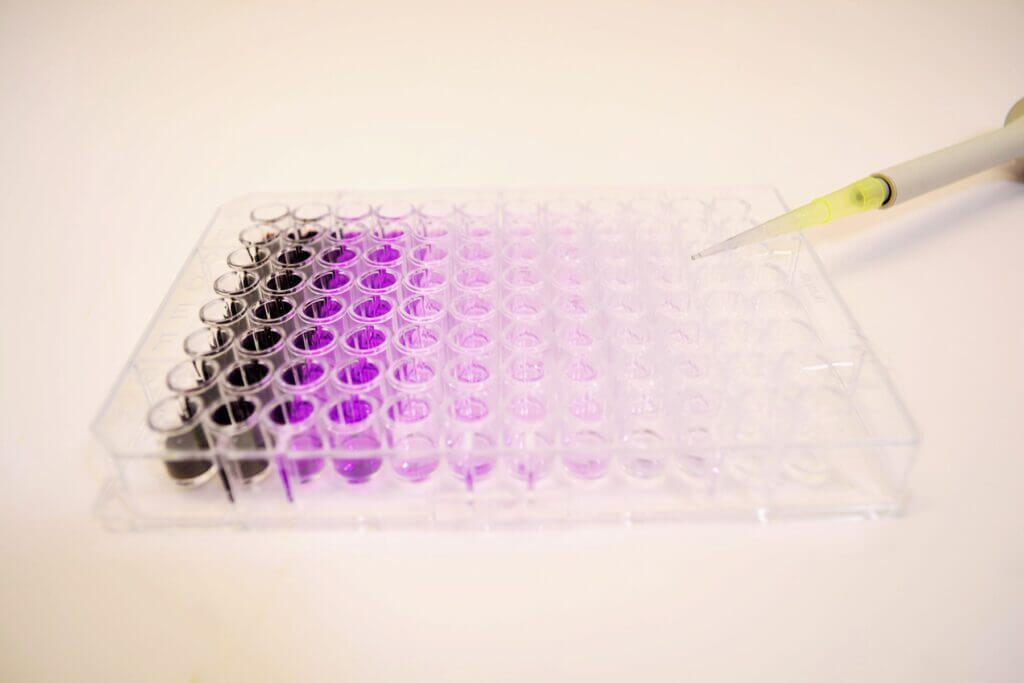
Immunoassays
The effects of your molecules can be evaluated through complementary and multi-scale approaches.